What Is Abstract Art? A Complete Guide to its Style and Meaning
Abstract art challenges traditional ideas of what art should look like. Instead of representing people, landscapes, or objects realistically, abstract art uses color, shape, form, and movement to communicate emotion and meaning. It can be bold and expressive, quiet and minimal, geometric and structured, or fluid and spontaneous.
While many people associate abstract art with modern interior design, its origins trace back more than a century to artists who wanted to break away from realism and explore new ways of seeing the world. Today, abstract painting remains one of the most versatile and collected art styles, appearing in homes, offices, and galleries around the globe.
In this guide, we’ll explore what abstract art is, how it developed, the major styles within the art movement, and how to appreciate and choose abstract artwork for your space.

What is abstract art?
Abstract art is a style of art that does not aim to realistically represent people, objects, or scenes. Instead, it uses elements such as color, line, shape, texture, and composition to express emotion, movement, or ideas.
Rather than showing what something looks like, abstract art focuses on how it feels.
Some abstract artwork may hint at recognizable forms, while other pieces are entirely non-representational, meaning they have no direct reference to the visible world.
The 5 Key Characteristics of Abstract Art
There are five main key characteristics of Abstract Art. Those key characteristics are:
- Emphasis on color, shape, and form over realistic detail
- Freedom from literal subject matter
- Emotional or conceptual focus
- Use of movement, gesture, or geometry
- Open interpretation by the viewer
Is Abstract Art Random?
No. Even when it appears spontaneous, abstract art is often built on intentional choices about balance, color harmony, contrast, and composition. Artists working in abstraction carefully consider how geometric shapes interact, how colors influence mood, and how the viewer’s eye moves across the canvas.
The History of Abstract Art
Abstract art emerged in the early 20th century as artists began moving away from traditional realism. For centuries, Western art focused on accurately representing people, landscapes, and historical scenes. However, as photography developed and modern life accelerated, artists started questioning whether art needed to imitate reality at all.
One of the pioneers of abstraction was Wassily Kandinsky, who believed color and form alone could communicate emotion much like music. Around the same time, Piet Mondrian developed a geometric abstract style built on straight lines and primary colors, reducing visual elements to their most essential forms.

After World War II, abstract art gained momentum in the United States through Abstract Expressionism.
Artists like Pablo Picasso and Jackson Pollock used energetic gestures and dripping paint techniques to create dynamic compositions, while Mark Rothko explored large blocks of color intended to evoke contemplation and emotional depth.
By the late 20th century, abstraction had expanded into countless directions, from minimalist geometric designs to bold contemporary works that blend texture, digital techniques, and mixed media.
Today, abstract art remains one of the most influential and versatile styles in both fine art and interior design.
A Timeline of the History of Abstract Art
1900–1915: Early experiments with non-representational form
1915–1930: Geometric abstraction and De Stijl
1940s–1950s: Abstract Expressionism
1960s–Present: Minimalism, color field, and contemporary abstraction
5 Main Types of Abstract Art
Abstract art includes a wide range of movements and visual approaches. While each artist brings their own interpretation, many abstract works fall into several recognizable styles.
Abstract Expressionism
Abstract Expressionism emerged in the 1940s and emphasizes emotion, gesture, and spontaneity. Artists often used large canvases and expressive brushstrokes to create energetic compositions. Paint might be poured, splattered, layered, or applied with visible intensity.
This style focuses on movement and feeling rather than structure. It often feels bold, dramatic, and immersive, making it a strong statement in modern interiors.
Paul Klee's “Castle and Sun,” a beautiful blend of geometry and whimsy that captures the imagination.
Another standout is “Still Life with Gladioli” by the same artist.
Geometric Abstraction
Geometric abstraction relies on precise lines, shapes, and mathematical balance. Clean grids, repeating forms, and controlled color palettes define this style. Instead of expressive brushwork, the emphasis is on order and structure.
This approach works especially well in contemporary spaces where symmetry and clarity are central to the design.
Color Field Painting
Color Field painting features large areas of solid or softly blended color. Rather than focusing on gesture or detail, these works use scale and color relationships to create a contemplative experience.
The simplicity of the composition allows viewers to respond emotionally to the color itself. These pieces often bring calm and depth to a space.
Minimalist Abstract
Minimalist abstract art strips visual art elements down to their essentials. Soft palettes, negative space, and subtle texture are common characteristics. Instead of dramatic contrast, the focus is on restraint and balance.
This style pairs well with neutral interiors and modern design aesthetics.
Lyrical Abstraction
Lyrical abstraction features flowing lines, organic shapes, and a sense of rhythm. Colors may blend naturally, and compositions often feel intuitive or atmospheric.
This type of abstract art tends to feel expressive and fluid rather than geometric or rigid.
How to Choose Abstract Art for Your Space
Selecting abstract art can feel overwhelming because there is no single subject guiding your decision. Instead of looking for a recognizable image, focus on how the artwork makes you feel and how it interacts with your space. Here are a few simple things to consider when choosing a piece of abstract wall art to design your space.
1. Start With Color
Color is often the easiest place to begin. Look at the dominant tones in your room, including wall paint, furniture, and textiles. Abstract artwork can either complement your existing palette or introduce contrast for visual interest.
- Neutral interiors pair well with soft beige, gray, or muted earth tones.
- Bold spaces can handle high-contrast or saturated color combinations.
- Black and white abstract art creates a modern, graphic statement.
Let the emotional tone guide your choice.
2. Consider Mood and Energy
Abstract art communicates emotion through color and movement. Ask yourself what atmosphere you want to create.
- Soft gradients and blended tones often feel calm and meditative.
- Bold brushstrokes and dramatic contrast feel energetic and expressive.
- Geometric compositions feel structured and balanced.
Let the emotional tone guide your choice.
3. Think About Scale and Placement
Size dramatically impacts how abstract art functions in a room.
- Large-scale pieces work well above sofas or beds as focal points.
- Vertical pieces complement narrow wall spaces.
- Smaller works can be grouped into a gallery arrangement.
When in doubt, choose a piece of art that is slightly larger than you think. Oversized abstract art often creates the strongest visual impact.
4. Match the Style to Your Interior
The style of abstraction should align with your design aesthetic.
- Minimalist spaces pair well with restrained, neutral abstract pieces.
- Contemporary interiors can support bold expressionist work.
- Mid-century or modern design often complements geometric abstraction.
Choosing artwork that echoes your interior style helps create cohesion.
5. Choose the Right Format
Abstract art is available in several formats, and each affects the final look.
- Framed prints add polish and structure.
- Canvas creates a clean, gallery-inspired presentation.
- Large-scale unframed pieces feel modern and dramatic.
Consider how the edges, framing, and finish will interact with your furniture and lighting.
Notable Abstract Artists on Art.com
Looking to discover or collect from legendary names? Here are some of the most iconic abstract artists featured on Art.com:
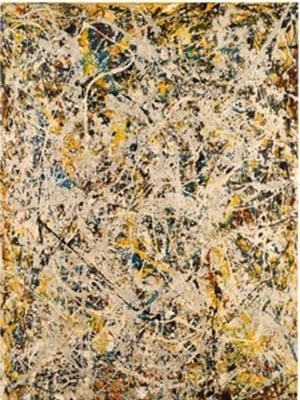
Jackson Pollock
- Style: Abstract Expressionism
- Known for: “Drip painting” technique.
- Why it stands out: Energetic, chaotic and deeply emotive, Pollock redefined how we think about painting.
Find his Jackson Pollock art pieces here.
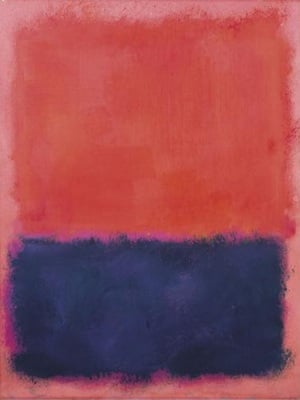
Mark Rothko
- Style: Color Field Painting
- Known for: Large, soft-edged color blocks.
- Why it stands out: Rothko’s paintings create immersive, meditative experiences.
- Standout pieces:
- No. 7 or No. 11, 1949 – Mark Rothko
- Untitled, 1960–61 – Mark Rothko
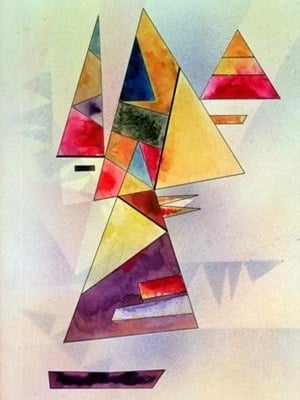
Wassily Kandinsky
- Style: Spiritual Abstract
- Known for: Using color and form to evoke music and spiritual feeling.
- Why it stands out: Often considered the father of abstract art.
- Find Wassily Kandinsky art pieces here.

Georgia O’Keeffe
- Style: American Modernism
- Known for: Abstracted flowers and landscapes.
- Why it stands out: Blends realism with abstraction in an emotionally resonant way.
- Find Georgia O’Keeffe art pieces here.

Piet Mondrian
- Style: Neoplasticism
- Known for: Grid-based compositions with primary colors.
- Why it stands out: Balanced, iconic and endlessly modern.
- Find Piet Mondrian art pieces here.

Hilma af Klint
- Style: Spiritual Abstract
- Known for: Pioneering abstract art before it was "official."
- Why it stands out: Her colorful, symbolic work predated many male counterparts.
- Standout Hilma af Klint pieces:
- Group IV, No. 2, The Ten Largest (1907) – Hilma af Klint
- Childhood, The Ten Largest No. 1 – Hilma af Klint
5 Abstract Art Pieces Perfect for Your Living Room
Still not sure which piece fits your living space? These 5 abstract works add color, serenity and personality to any room. See if they spark something in you:
1. Dance I – Henri Matisse
A celebration of life and movement. This piece sparked my love for art in high school and still inspires joy.
2. La Gerbe – Henri Matisse
A vibrant floral explosion that breathes energy and creativity into any room.
3. No. 7 [or] No. 11 (1949) – Mark Rothko
4. Untitled (1960–61) – Mark Rothko
Rothko’s soothing color fields bring a calming, serene energy, perfect for decompressing after a long day.
5. The Ten Largest (1907) – Hilma af Klint
Playful and vibrant, Hilma’s work offers a whimsical, light-hearted touch.
Why Abstract Art Still Matters Today
Abstract art proves that meaning does not require literal imagery. Through color, movement, and composition, it creates atmosphere, energy, and visual balance within a room. With a deeper understanding of its history and styles, you can move beyond simply filling a wall and instead select artwork that defines your space. From dramatic large-scale canvases to subtle minimalist pieces, abstract art offers a versatile foundation for creating interiors that feel thoughtful and complete.